
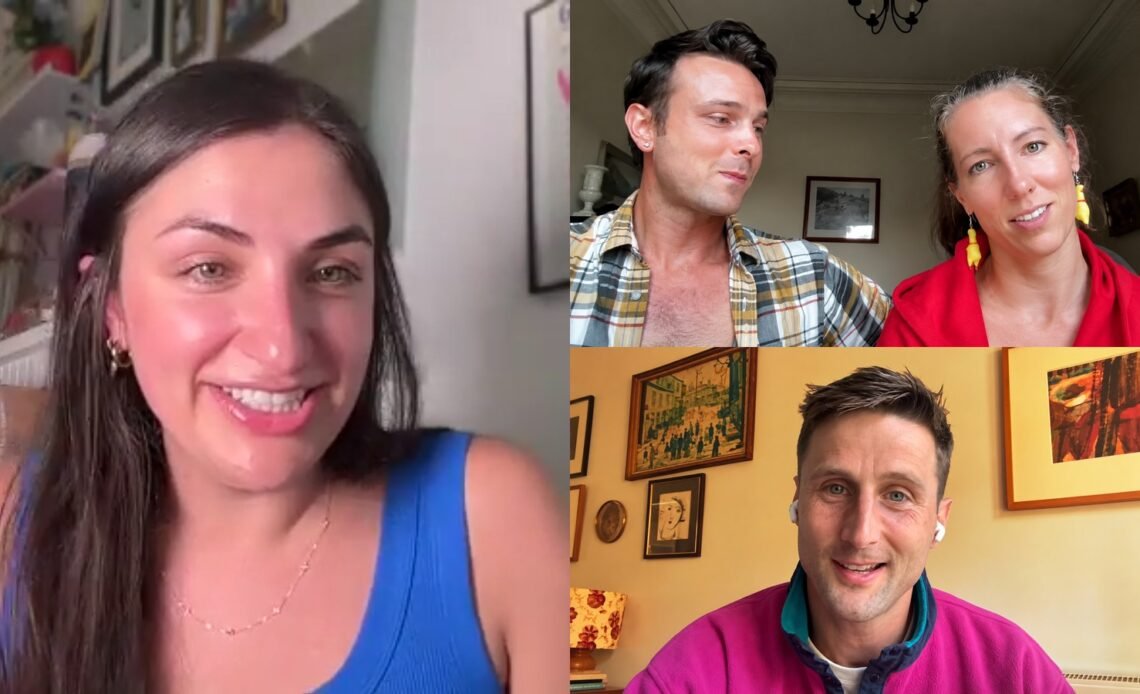
Liz Coin raised fourteen thousand dollars to bring her show from New York to the 2026 Edinburgh Fringe. In the show she plays a woman who believes she is on Broadway with an enormous budget. What the audience actually sees looks more like a teenager in a church basement, and that is on purpose. Almost none of the money went on the set. It went on marketing, flights and somewhere to live for a month.
We interviewed a long list of performers at this year’s Fringe. Coin was the only one who gave us a figure, but nearly all of them talked about the price in one form or another: money, hours, health and empty seats. We also asked what they got back. Read our interview with Liz Coin.
Jump to: The money · The hours · The body and the head · The empty seats · What they got back · Start small · Is it worth it? · Six rules · Common questions
The money
A Fringe show has the same few bills whoever you are: a venue, a place to sleep in the most expensive month of the Edinburgh year, travel, and the posters and flyers that tell anyone you exist. Coin’s fourteen thousand dollars covered those and little else. As she puts it, a month at the Fringe is simply expensive.
Everyone else we spoke to was saving money somewhere.
Hannah Ponturo wrote and directed a historical comedy with a full cast. She is one of its four producers. She made most of the props herself, and the medieval costumes came largely out of the actors’ own wardrobes, layered up. Read our interview with Hannah Ponturo.
Marina di Marzo drew every image in her show in MS Paint. She also sewed the costume for the finale and set more than five thousand stars on it by hand. Read our interview with Marina di Marzo.
Sevrin Willinder built his show over eighteen months with one collaborator, who also runs the tech every night. Read our interview with Sevrin Willinder.
And then there is Tom Johnson. He came into some money and listed the sensible options for us: a deposit on a house, a car for his girlfriend, an investment. He spent all of it reviving a punk musical from the early 1980s that, by his own account, had not done well the first time. He calls himself an idiot for it, cheerfully, and says its best review will be on every poster he prints from now on. Read our interview with Tom Johnson.
The income side is small. Many Fringe comedy rooms are pay what you want. The three American comics we interviewed ran theirs that way, with a paid ticket for anyone who wanted to be sure of a seat. Read our interview with the trio.
The hours
The show is one hour a day. The job is much longer.
Mark Ryder plays a finance worker called Felix in his solo show. When we spoke he was also spending several hours a day in the street handing out flyers, in a suit, in character. Read our interview with Mark Ryder.
Brendon Lemon sums up his first Fringe, in 2017, in a few words: cold, wet and endless flyering. Read our interview with Brendon Lemon. Krystyna Hutchinson put her flyer up everywhere she could. In her case it worked, helped by a title that made people stop her in the street to ask what the show was. Read our interview with Hutchinson and Corinne Fisher.
The runs are long. Hutchinson did thirty shows. Chloe Matonis did twenty-six days back to back. Willinder did twenty-four performances with one day off a week. Read our interview with Chloe Matonis.
The body and the head
Early in his run, Ryder woke up with a fever, was sick, and went on anyway. The character had also started following him home. At breakfast his partner stopped in the middle of a story to tell him to stop pulling Felix’s face.
Hutchinson’s show ends with her acting out the worst night of her life. On the second day it occurred to her that she had to do that every day for a month. “I didn’t think ahead on this.” Being away was hard in small ways too. In a British supermarket she recognised nothing but the fruit and vegetables.
Winnie Stack reads her childhood journals on stage. After the first performance she felt badly exposed. “My initial feeling was — oh my God, I’ve revealed too much. I’m going to be judged.” Read our interview with Winnie Stack.
Di Marzo compared the month to a roller coaster. You are excited, then you are locked into the seat, then you are quietly asking to get off. “The ride is going to start. I’ve got to embrace the ride.”
The empty seats
There are thousands of shows on at the same time, and nobody owes yours an audience.
Di Marzo played one performance to a single person. She spent the first few minutes working out how to do an hour for an audience of one, and came off having decided it was fine.
Britt Anderson and Richie Schiraldi of Whisper Theatre first came in 2019 and did three performances. Eleven people came to the first one. Read our interview with Whisper Theatre.
Irene Woo said the Fringe was teaching her daily that a quiet room is the performer’s problem to fix. “It’s your job to bring the energy up.” Read our interview with Irene Woo. For the nights when that fails, see how 21 comedians survived bombing on stage.
What they got back
An audience they did not know they had
Hutchinson had never been to Scotland and did not know whether anyone there listened to her podcast. She sold more than 700 tickets across thirty shows, and many of them sold out. She had expected the hardest scene to wear her down over the month. It did the opposite. She calls the run “an extreme catharsis”.
Reviews and invitations
Coin first came the year before, for about a week. She did ten shows, the last two sold out, and she collected three or four five-star reviews. A London theatre saw the show and invited her to bring it there. Meg Millane went on from Edinburgh to the Philadelphia Fringe and to Soho Playhouse. One reviewer gave her a line she now repeats: you can’t help but get swept up in her joy. Read our interview with Meg Millane.
A show that is finally finished
Most of what Fletcher Michael had staged before was at festivals, where a show gets three to five performances and still feels new on its last night. This year he had twelve. That was enough, he says, to get the show “on your bones”. Read our interview with Fletcher Michael.
People
Matonis’s favourite part of each night came after the props were packed away. Her show is about loneliness and ends with an order to the audience to go to the bar together. She would go down and find them still there, buying each other drinks.
Stacie Burrows, on her fourth Fringe, is clear about what she counts as success. It is not a streaming special or a West End transfer, though she would turn down neither. It is the people who write a year later to say they are coming back. Out of thousands of shows they picked hers, and then picked it again. Read our interview with Stacie Burrows.
Start small
Almost nobody we spoke to began with a full month.
Coin did a week first, to look around. She says that announcing a show and asking people to come is a leap of faith, and that the week gave her the courage to do the whole month. Whisper Theatre did three performances in their first year and are now on their fourth visit with three shows. Michael’s sketch company did three shows one year and twelve the next. Millane played a small venue in 2024 before coming back with a bigger show.
Tori Morancay went the year before as a visitor, decided it was where she wanted to do her first solo show, and started preparing in November, with previews in New York and Paris before she arrived. Read our interview with Tori Morancay.
So is it worth it?
Nobody told us they went to make money, and nobody told us they regretted going.
The comedians who had the best month went for something they could name: an hour finished properly, an audience outside their own country, a review, a director’s notes tested thirty times. Lemon, who was flattened by his first visit, has now been five times. Whisper Theatre, who started with eleven people, keep coming back.
The honest answer from our interviews is that the Fringe costs more than it pays, and that most performers treat the difference as the price of a month of training they could not get anywhere else. For what that hour involves, see solo show or stand-up set. For how the audiences differ from the ones at home, see British versus American audiences.
Six rules for a first Edinburgh Fringe
- Go for a week before you go for a month. Coin, Whisper Theatre and Michael all did a short run first.
- Spend on being found. Coin put her budget into marketing and housing and almost nothing into the set. A plain show that people know about beats a beautiful one that nobody has heard of.
- Make what you can yourself. Ponturo’s props, di Marzo’s costume and drawings, and Willinder’s sound design cost time and very little money.
- Plan your days around flyering. It is several hours a day. Ryder did his in character, which made it part of the show.
- Write a show you can do thirty times. Hutchinson’s lesson. Ask what the hardest scene will feel like on day twenty.
- Decide what success is before you go. Burrows chose returning audience members. Pick something you can count that is not money.
For what keeps people going through a month like this, see how comedians keep going.
Common questions about performing at the Edinburgh Fringe
How much does it cost to take a show to the Edinburgh Fringe?
It depends on the venue, the length of the run and where you are travelling from. The one figure a performer gave us was fourteen thousand dollars for a full month, travelling from New York, most of it spent on marketing, flights and housing.
Do performers make money at the Edinburgh Fringe?
None of the performers we interviewed described it as a way to make money. They talked about reviews, invitations from other theatres, new audiences and a better show.
How many shows do you perform at the Fringe?
A full run is usually between twenty-four and thirty performances in August, with few or no days off. Shorter runs of three to twelve shows are common for a first visit.
How do Fringe performers get an audience?
Mostly by handing out flyers in the street for hours every day, and then by word of mouth and reviews. A clear title helps. Krystyna Hutchinson said people stopped her to ask what her show was.
For more conversations like these, see all our comedian interviews.