
The Comics Unseen
Press Kit
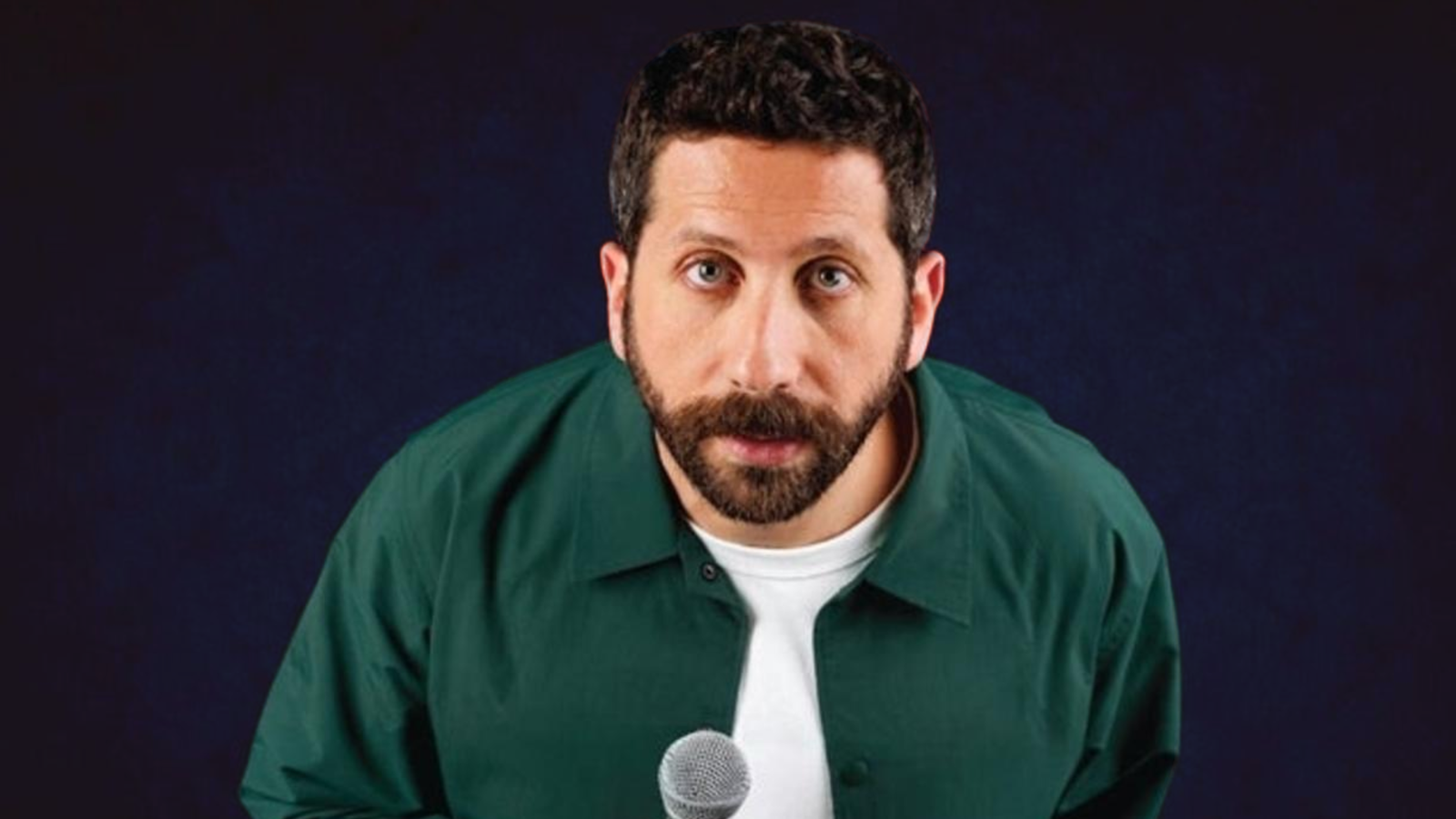
Storytelling Stand-up · Arabic & English
John Achkar
The first comedian to perform stand-up in Arabic at the Olympia Paris. Early on he was told that audiences don’t like stories. He kept telling them, and the stories became his signature.
From
Beirut, Lebanon
Works in
Storytelling stand-up in Arabic, and now in English
Known for
First stand-up in Arabic at the Olympia Paris
Latest
FEENA NEHKE? · performed at the Edinburgh Fringe 2026, in English
Interview
Instagram interview · @thecomicsunseen
“People now, they connect to the story itself, not only to the punchline.”
John Achkar — The Comics Unseen
Ready-to-use copy
Biography
236 words — lift as-is, no rewriting required
John Achkar is a Beirut-born storytelling comedian who has spent the last few years turning Lebanese storytelling into a comedy movement well beyond Lebanon. He grew up in Beirut, studied, and worked as a corporate trainer before audiences knew him as a comic. His first laugh came around a Boy Scout campfire, in a skit he still remembers line for line: the joke, the feeling, and the character he was playing.
He was the first comedian to film a stand-up special on the Batroun festival stage, a 500-seat show. He then became the first person to perform stand-up in Arabic at the Olympia Paris, taping his special in front of 2,000 people, a night he describes as a celebration more than a show. His inspiration is Gad Elmaleh, whom he studied so closely that he says he shares his body language, and Elmaleh personally invited him to open for him in Dubai and Paris.
He has released a full stand-up hour almost every year: No Worries (2022), Wen 3ayish? (2023), Shou Zakeh?! (2024) and AAM JARRIB (2025). He is now touring FEENA NEHKE?, and in 2026 he took his Lebanese voice to the Edinburgh Fringe, in English and with his accent intact.
The part other press kits leave out
What you should know before you book him
John Achkar is a storyteller first, and his case for himself is simple: audiences come for the story, not only the punchline. He has built a following across the Arab world on that belief, and now he is testing it in English.
Story over punchline
He was told early that audiences don’t like stories. His career is the rebuttal. He believes the narrative is what an audience connects to, and the jokes live inside it.
An hour a year
Four full specials in four years, plus a new tour. He says social media means comics now have to write constantly, and he backs the writing with a lot of testing shows.
Arabic voice, English stage
He took his accent and his very Lebanese story to Edinburgh in 2026 rather than sanding them down, on the grounds that audiences want diversity, depth and something personal.
He doesn’t just translate
Writing for a new audience means rewriting from scratch: showing where you come from and why you are there, while staying relatable. In his words, it is about the writing, and the writing, and the writing.
Present on stage
He writes carefully in his notes, then goes on stage aiming to tell the best story ever, open to what happens in the room. He describes it as writing while performing.
A clear line on personal material
No limits when he is the only person in the story. When other people are involved, it is different. That is the only line he draws.
For press · cleared for use with attribution
Quotable
01
“Usually people in Lebanon have plan B, C, D, E, F. In my case, B is quite good, so that’s it.”02
“I remember the joke, I remember the feeling, I remember the skit, I remember the character I was portraying.”03
“I’m not sure when we decide that we made it.”04
“A lot of comedians are each at super high levels, and then they lose the throne.”05
“You cannot just translate. So it’s about the writing, and the writing, and the writing — until you feel it works.”06
“What is not relevant for me is not necessarily not relevant for the audience.”07
“I think the story is way more important than when the story happened.”08
“There are no limits if I am the only person involved, but if there are many people involved, it is different, I think.”09
“I think people were there to celebrate; it wasn’t stand-up what I was doing this night, it was way more.”10
“We know how to celebrate small wins, because — and this is something very important to mention — we lost a lot, we were disappointed a lot.”11
“It was a proof that my comedy works. I wasn’t sure that my comedy worked.”12
“People were telling me that audiences don’t like stories, and no one cares about my stories.”13
“I have to say I also have his same body language. I watched him so much, I studied him really so much.”14
“Now with social media I think we have to write constantly.”15
“Whenever I’m on stage, I feel I’m here, I’m writing this while performing — and this is a great feeling, by the way.”16
“I want to do the Fringe with my accent, with my Arabic voice. I don’t think anything should be lost in translation.”17
“People now, they connect to the story itself, not only to the punchline.”18
“Stage time. I think stage time is the biggest advice — you have to be on stage as much as you can.”
Attribution: John Achkar, in conversation with The Comics Unseen. Read the interview.
Career
Selected credits
Specials
- No Worries (2022)
- Wen 3ayish? (2023)
- Shou Zakeh?! (2024)
- AAM JARRIB (2025)
- FEENA NEHKE? — current tour
Landmarks
- First stand-up in Arabic at the Olympia Paris; special taped there before 2,000 people
- First comedian to film a stand-up special on the Batroun festival stage
- Opened for Gad Elmaleh in Dubai and Paris, at Elmaleh’s invitation
- Edinburgh Fringe 2026 — performed in English
Influences
Gad Elmaleh and John Mulaney. Before comedy he worked as a corporate trainer in Beirut.
This kit was produced by The Comics Unseen. The interview and quotes are drawn from John Achkar: “People Connect to the Story Itself — Not Only to the Punchline”, published on Instagram by The Comics Unseen. John Achkar and their representatives are free to use any part of this document — the biography, the quotes — for booking, press and promotion, with credit to The Comics Unseen for the interview material.
The Comics Unseen shines a light on stand-up artists and spreads comedy across the world. Follow at instagram.com/hopforpop.
Message us at instagram.com/hopforpop to get your interview and press kit with us.