

Some of the people we have interviewed have been in comedy for longer than most of our readers have been alive. Larry Charles wrote for Seinfeld and directed Borat. Judy Carter wrote the book a generation of comics learned from. Barry Katz managed Dave Chappelle and Bill Burr before anyone knew their names. Vanessa Hollingshead opened for Richard Pryor and George Carlin. Simon King has done close to 10,000 shows.
We went back through those conversations and pulled out the advice. Not the polite, promotional kind, but the things they learned the hard way and would tell a new comic over a drink. Here is what twelve veterans told us, in their own words.
Jump to: Getting on stage · Writing and finding your voice · Bombing and jokes that don’t work · Edgy material · Crowd work and clips · The business · Staying in it · What the legends told them · What they all agree on
Getting on stage

Joel Byars has interviewed hundreds of comedians on the Hot Breath podcast, and the people he hears from most are the ones too nervous to try. His answer is to lower the bar first: “I always tell them to just go watch an open mic and you will see how bad people are at comedy.” Once you have seen others bomb in front of four people, it stops feeling impossible. Read our Q&A with Joel Byars.
Judy Carter says waiting until you feel ready is the mistake. “If you’re feeling unconfident and you’re feeling like you’re going to wait until you are confident, that day is never going to happen. The time to do something is now like today.”
Being nervous does not mean you are in the wrong job. Larry Charles, who spent decades in comedy, told us: “I used to throw up before I would go on stage quite often. That’s how nervous I was.” And Simon King has a simple answer for anyone asking whether they should be a comedian: “Only you know that answer. And you already know that answer.”
Liz Miele did her first set at 16 at the Comedy Cellar, and she went in with the right expectations. “I knew enough to know that any laugh was good and that it was gonna take time to grow and get better.” Read our interview with Liz Miele.
Writing and finding your voice
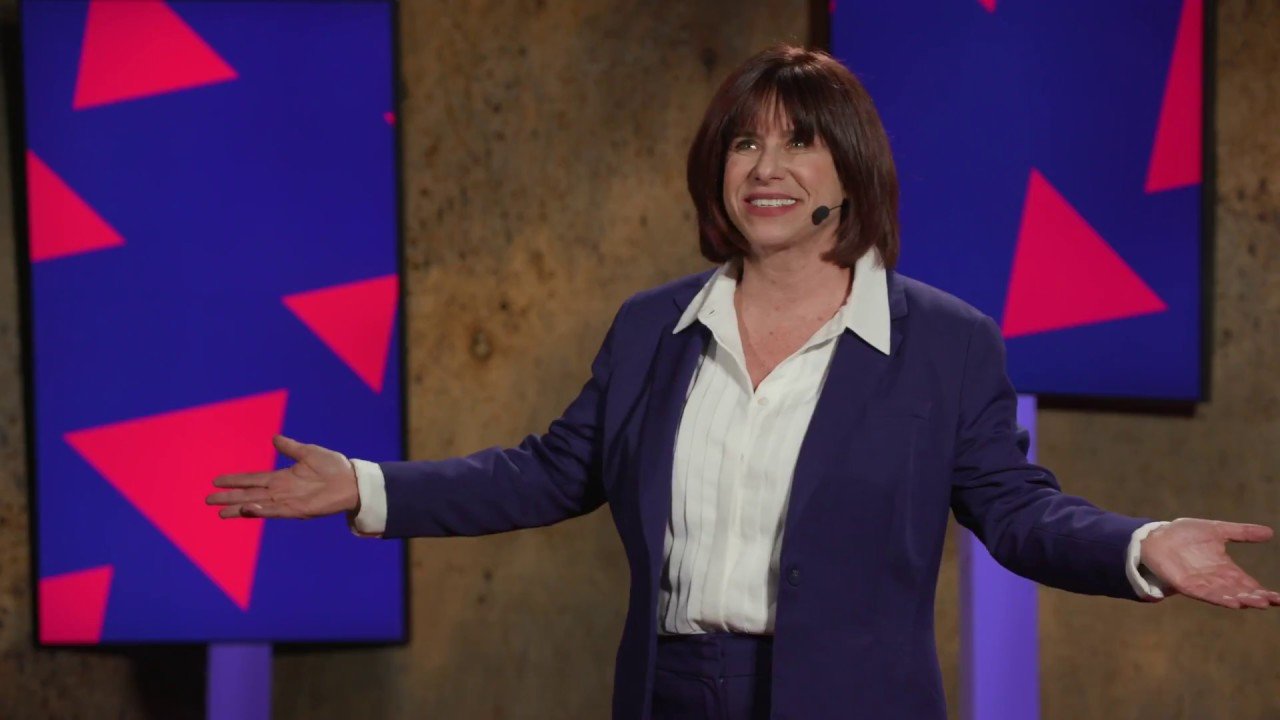
Judy Carter’s first laughs came from joking about her own speech impediment, and her writing method still starts with pain. “I tell people that what’s bad about your life is good about comedy. And so we take the bad things about our lives. We make a list of them and then we go, now, what’s funny about that?” Her other rule is to stop judging too early: “One of the biggest mistakes in the creative process is people censor themselves too soon.” Read our interview with Judy Carter.
Larry Charles does not think the funny part can be taught. “You could learn structural things, you could learn certain rules, but it’s not gonna necessarily translate into something funny.” What he watched the greats do instead was put everything of themselves into the act. “My theory about stand-up is you have to be the best version of yourself on stage.”
Greg Stone, who started in 2001, describes how new comics lose themselves. “When you first start comedy, it’s like say something that will get a reaction because you don’t trust that what you’re saying is interesting enough or funny enough.” He was most himself the first time he went up. “And then it’s just these years of trying to get back to who you were before you started comedy.”
“What do I want to say? And how can I make these people find it funny?”
Simon King
Simon King says that is the question almost every comic worth their salt starts from. Vanessa Hollingshead puts it as homework: “Just go really really educate yourself and figure out what your persona is, what’s going to make you stand out.” For more on process, read how comedians actually write jokes.
Bombing and jokes that don’t work
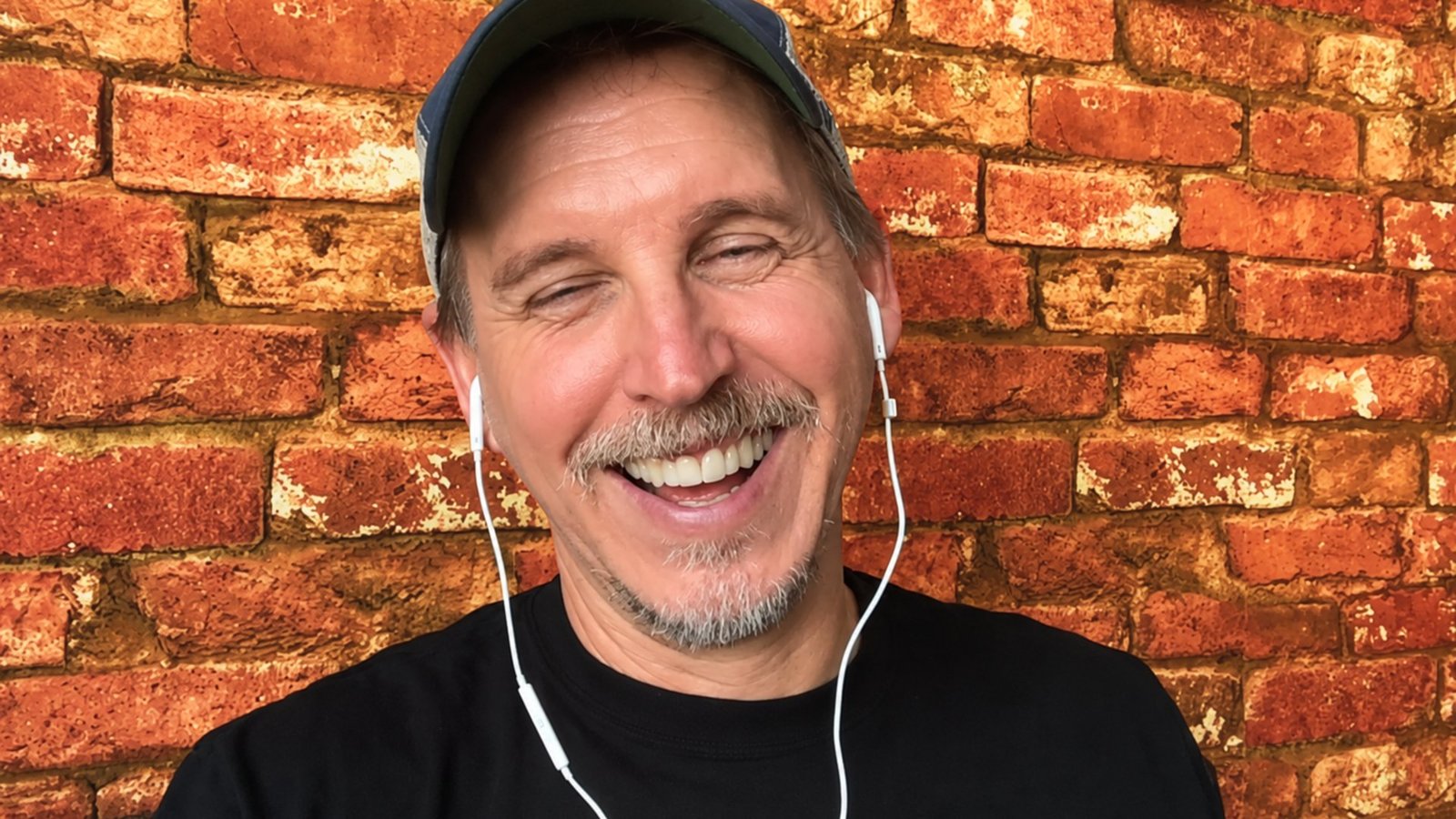
Jason Salmon treats every ordinary set like practice. “You should have a better set when you come off stage than you did when you went on stage.” That means deliberately pushing a joke until it breaks: “Every single time I should fail at something because that’s where your jokes become better. You find the end point.” He also learned not to panic at a quiet room, because sometimes the silence is “the build to a burst of laughter”. Read our interview with Jason Salmon.
Joel Byars says most new comics make a bad moment worse by announcing it. “The audience has no idea if something works or not unless you tell them.” And a joke that fails is not always a bad joke.
“Sometimes your jokes are funny, but you’re not a good enough performer to sell them yet.”
Joel Byars
Diogo Portugal, who helped build Brazil’s stand-up scene, says the work is diagnosis. “It’s very frustrating when you believe in a joke and people don’t laugh. So you gotta work more on the joke. You gotta try again, see if the problem is the joke, the problem is you, is your delivery.” After a bad night, “You have to try to solve the problem and not just complain about the problem.”
Larry Charles would rather miss than pander. “I think you’re much better off being true to yourself even if the show doesn’t go as well as you hope to or you don’t get the laugh that you were expecting.” And Barry Katz, who quit stand-up over the ups and downs, says the greats simply do not let them in: “That’s what the great comics are they don’t care they just look at the audience as the writing partner.” More in how comedians survive bombing.
Edgy material
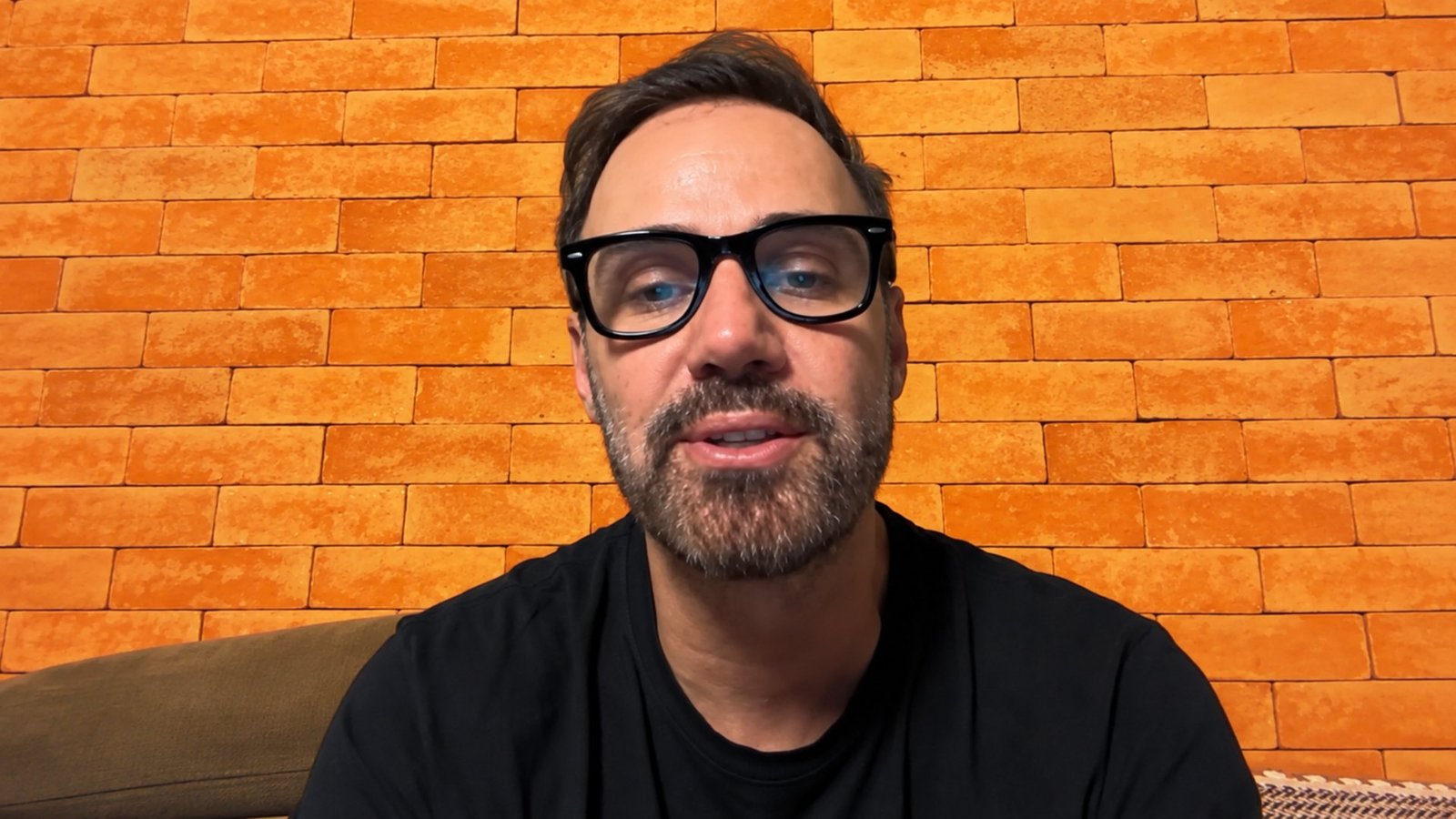
Diogo Portugal has a warning for beginners who copy the edgiest veterans. “This is a very big mistake that comedians do sometimes. They are still in the beginning of their careers and they want to, you know, take a shot on the very acid and polemic joke. And that’s a trap.” Read our interview with Diogo Portugal.
Jason Salmon has a set of rules for sensitive subjects. The first is that it has to be very funny. Another is where the weight goes: “The sensitive topic is the setup. The humanity is the punchline.” And make it about yourself, because “People have a hard time getting angry at your personal experience.”
Paul Farahvar learned the same principle from the other direction. “Truth in comedy is what I was taught. You got to be truthful on stage.” For more, read where comedians draw the line.
Crowd work and clips
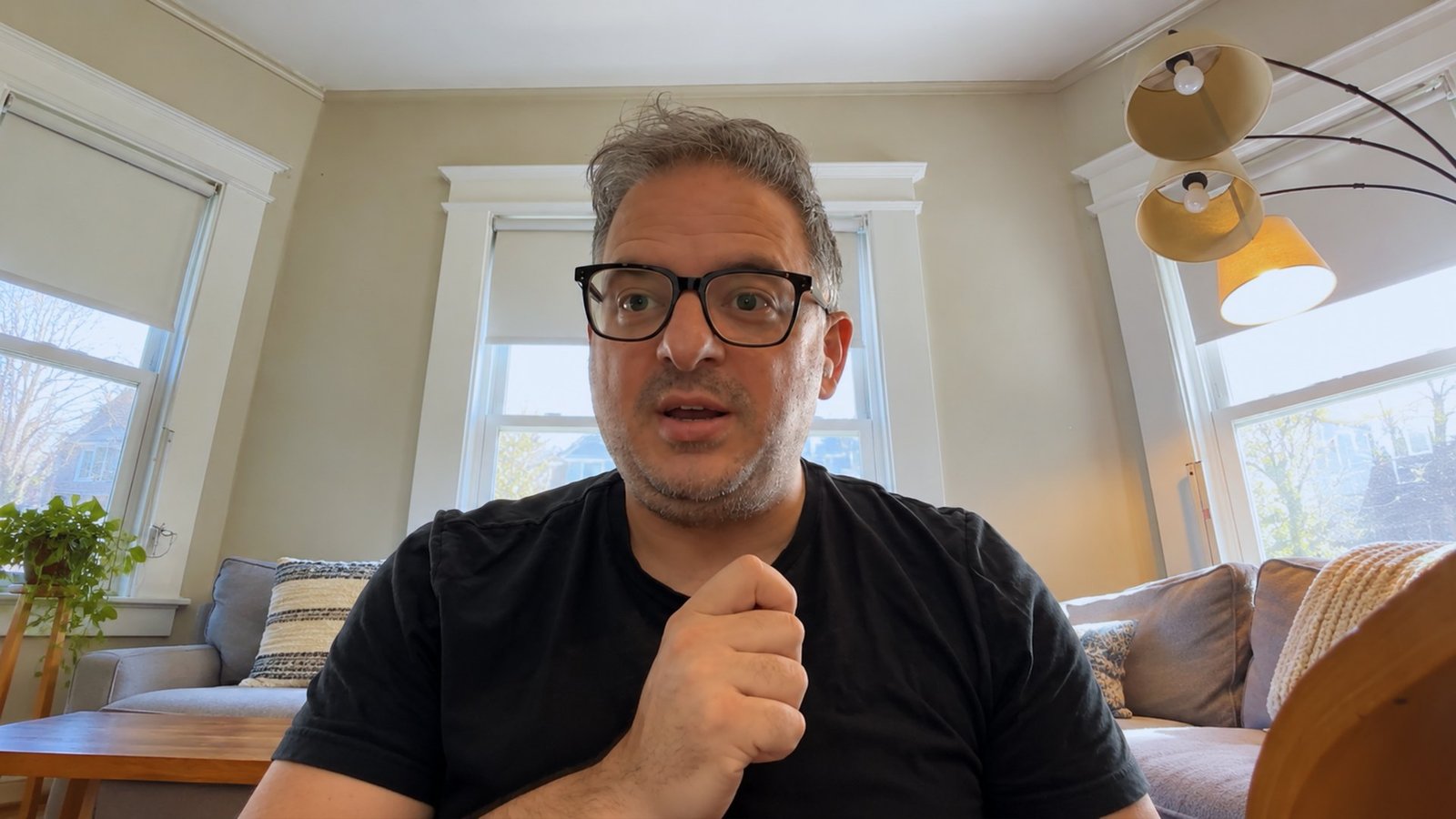
Crowd work sells tickets online, but Barry Katz has a test for anyone who thinks it is the whole job. “Jot down the 10 most influential comedians dead or alive on a piece of paper and I’d like your audience to go on YouTube and search for crowd work clips of those people.” His point: you will not find many. Read our interview with Barry Katz.
When you do talk to the crowd, Judy Carter has a practical tip. “If someone in the front row says something, half the audience didn’t hear it. So you have to make sure everybody’s on board by repeating it.” Paul Farahvar says the clips that work come from real curiosity: “I think it’s important to be sincere in wanting to hear what people have to say and respond to that, not just some canned joke.”
Greg Stone learned to drop the script when the room hands him something. “But if something happens in the moment, I got to take it, right? You got to take it because like that’s a moment where it could be magic.” Liz Miele, a storyteller, refuses to reshape her act for short videos: “I don’t wanna change because of an algorithm. It changes every couple of months and that’s not authentic.” Read more on social media vs the stage.
The business
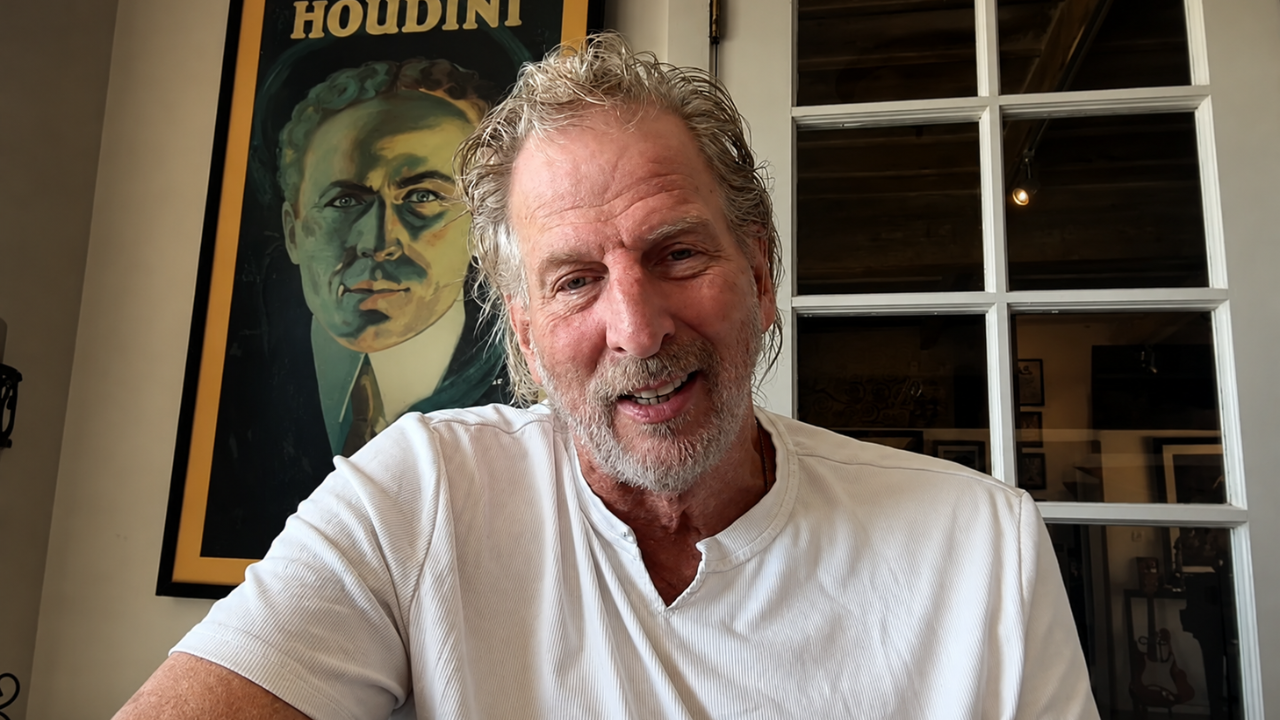
Greg Stone thinks most comics get the balance wrong. “80% of us love the art part, hate the business. And so we spend way too much time on the art and not enough time on the business.” Read our interview with Greg Stone.
Joel Byars says the big break rarely comes from above. “Most of your opportunities are gonna come from your peers. It’s not gonna come from an agent.” The comics at your open mic now may run the biggest show in town in five years. And momentum feeds itself: “Really, people want to work with people who are working. So showing your work online can help lead to other work.”
Two of our guests built their careers by not waiting for permission. Barry Katz started booking rooms himself as a young comic: “I thought I’ll be much more in control if I start booking the rooms and start getting places where comedians could work and creating my own company.” Victoria Arnstein did the same when she was shut out of shows: “If you tell me I can’t be on your show, I’m now I’m going to make my own show and it’s going to be better than your show.” Read our interview with Victoria Arnstein.
Staying in it
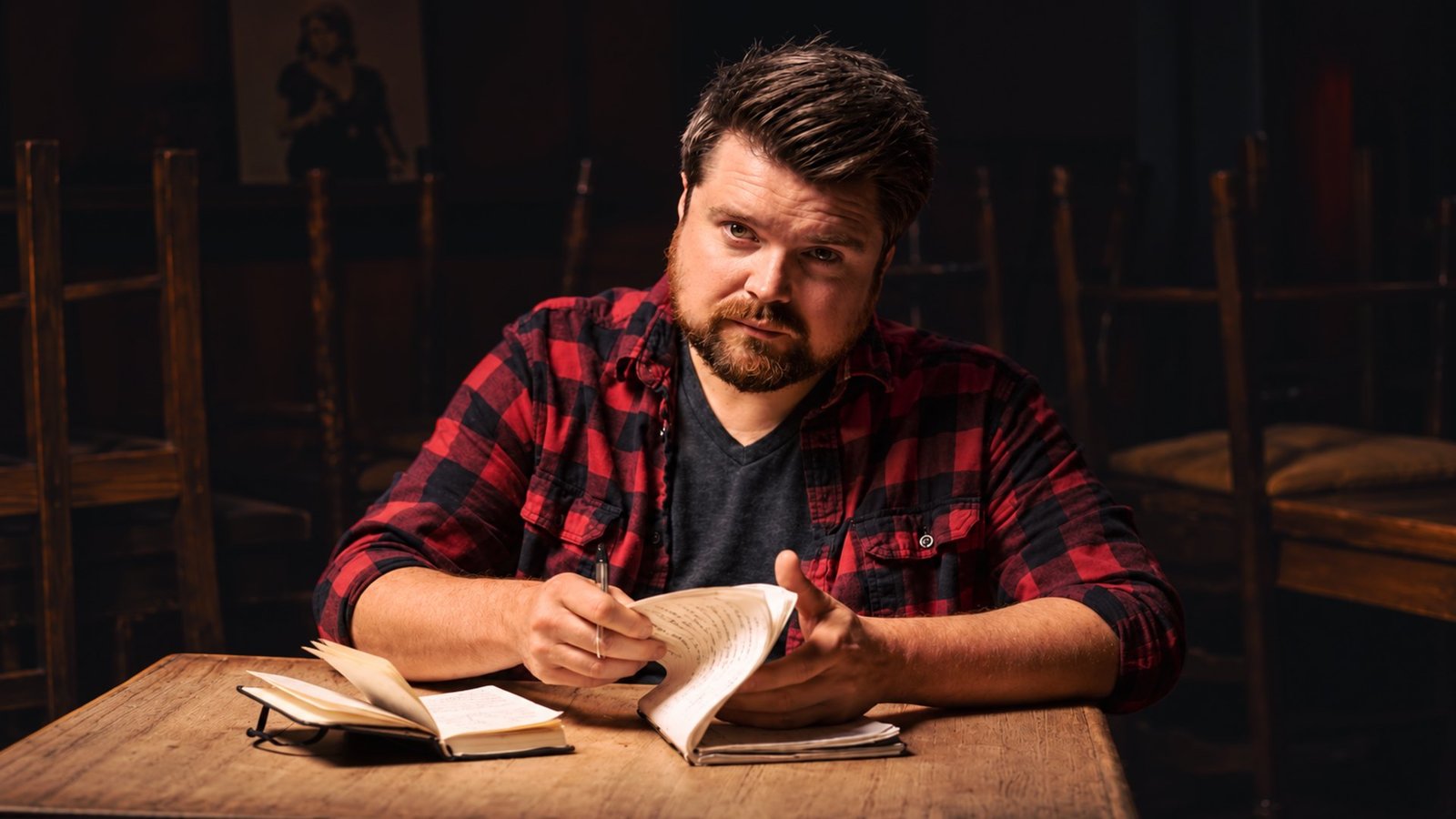
Simon King compares stand-up to woodworking, and says some of his premises took 10 to 15 years before he had the tools to do them. “So every set you do, every from the biggest theaters to the smallest empty bar rooms to the late night open mics, everything is another chisel in your belt.” He also stopped needing everyone to like him. “I think embrace your niche, embrace who you are.” Read our interview with Simon King.
Barry Katz uses Tom Brady to explain the part nobody films. “You have to be accountable and train behind the scenes when no one’s looking so you’re ready for when the lights shine the brightest.” And he does not believe in one correct path: “If you’re great there’s no rules if you’re persistent there’s no rules.”
Judy Carter has the numbers to back up persistence. “The first book I wrote was rejected from 59 agents. And I was giving up when number 60 said, I like it.” Greg Stone learned the same lesson when a famous club stopped booking him for a while: “Not working at the Comedy Cellar didn’t make me not a comedian, right? Like I’m still a comedian.” More in how comedians keep going.
Diogo Portugal says success does not make it easier. “If you think you’re safe, then you’re wrong.” The answer is to keep writing: “The challenge is this, is always to be writing new stuff, trying to surprise your public, try to do new material.” Liz Miele warns against losing touch as you rise: “What makes comedians good isn’t just being funny. It’s their relatability and their connection.”
“I’d tell her get a thick skin for the audience, for the hecklers, for the comedians, for the bookers. And make yourself undeniable.”
Vanessa Hollingshead
That was Vanessa Hollingshead’s advice to a young woman starting out today, after more than three decades on stage. “And just work on your craft. Work at being the best you can be and just let everything roll off your back. Don’t take anything personally.” Read our interview with Vanessa Hollingshead.
What the legends told them

Some of the best advice we heard was passed down. As a teenager, Liz Miele followed her father’s rule: “If you wanna be where other people are, you should find out how they got there.” So she wrote to the comedians she admired. George Carlin phoned her. She sums up what he said: “Gave me a bunch of very simple advice, write every day, get up on stage as much as you can.” Years later, at 19, they met for coffee, and “He showed me how he would memorize his longer pieces.” Read the full story in why Carlin’s comedy has survived.
Vanessa Hollingshead opened for Carlin once, to a tiny crowd, and apologised to him for how few people had come. He told her he did not mind: “I just need to listen to how the words come out.” Decades later she still goes back to his work when comedy wears her down, and the lesson is always the same.
“Don’t preach. Just tell the truth.”
Vanessa Hollingshead
What they all agree on
Twelve people, very different careers, and the same few ideas kept coming back.
- Get on stage. No book, class or podcast replaces stage time, and you will never feel ready first.
- Write from your own life. The bad parts especially. That is where the original material is.
- Don’t kill a joke too early. Find out whether the problem is the joke, the delivery or the room.
- Tell the truth. From Carlin to Paul Farahvar, honesty is what makes edgy or personal material land.
- Treat it as a career. Do the business, build your own shows, and look after the people around you.
Enjoyed this interview?
Hop For Pop is researched, recorded, edited and written by one person, and it’s free to read. If this one made you laugh or taught you something, you can buy us a coffee.
Buy us a coffee ☕ $5For more from these conversations, read 52 things comedians told us, how to start stand-up comedy in 5 steps, or browse all our comedian interviews.